
Frequently Asked Questions About Our Methods

Why Do We Offer Online Pricing?
We offer online pricing because transparency helps everyone make better decisions.
It gives prospective customers an immediate sense of cost, and it helps us connect with homeowners who are a strong fit for our services.
By sharing pricing early, we can reduce wasted time on both sides and focus on projects where there is a good match in scope, expectations, and budget.
That means improved efficiency, more effective communication, and a better overall experience for our customers.

Why Book a Site Visit?
A site visit helps us confirm that your online quote is accurate and that we have all the details needed to plan your project properly. It is an important step in making sure everything goes smoothly from start to finish.
During the visit, we take photos, measurements, and detailed notes about the construction area. We also check important site details such as access, material storage, parking, and the location of building water shut-offs. These details help us organize the work efficiently and avoid surprises later.
We then create a project file that is accessible to everyone involved in the job, including sub-trades and workers. That file includes photos, job notes, and all relevant specifications, which greatly reduces the chance of miscommunication and helps keep everyone accountable.
In short, the site visit allows us to plan better, communicate clearly, and deliver a better result for you. That is why we structure the process this way.
What Happens On Demolition Day?
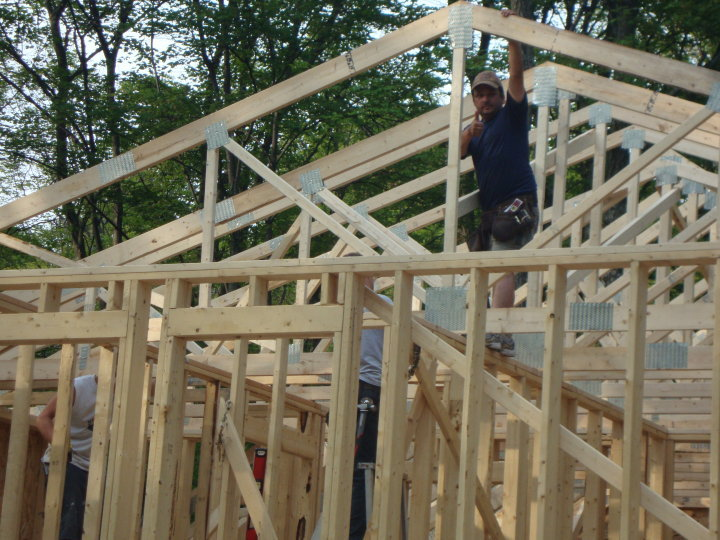
Demo Day is where planning turns into action. It’s the first day of work, and we handle it carefully to keep your home protected and the project running smoothly.
We begin by protecting high-traffic areas such as hallways, stairs, and floors with runners and drop sheets. This helps minimize mess and protects your home during the demolition process.
Next, we contain the work as neatly as possible, often using the driveway as a secondary work area when appropriate. We remove materials in a controlled manner and take steps to limit dust and debris, so the impact on your household stays as low as possible.
We also remove waste daily, rather than letting it build up onsite. That keeps the work area tidy, safer, and more presentable throughout the project.
Finally, if we uncover anything unexpected during demolition, we bring it to your attention right away and recommend next steps if needed. That way, you stay informed and the project can continue with as little disruption as possible.
Why Remove Everything on a Shower Wall?
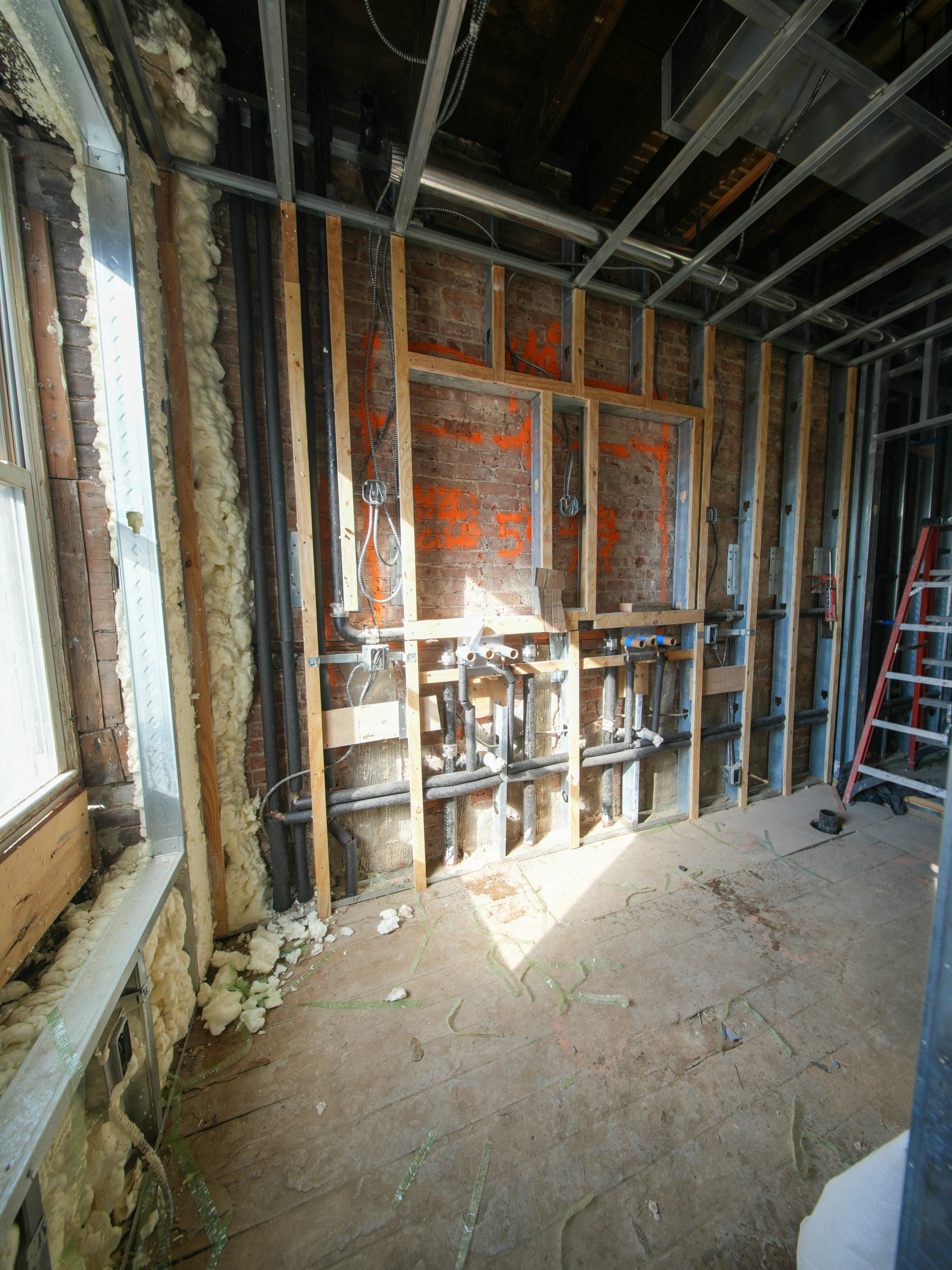
We remove the wall surface down to the studs because it allows us to build the shower properly from the framing out. Once the area is open, we install cement-based tile backer board, a moisture-resistant panel system designed specifically to support tile in wet areas. It will not swell, soften, or deteriorate under normal shower conditions, and when installed correctly, it provides a durable base that helps the finished tile system perform as intended, for decades.
Exposing the studs also lets us add the structural backing needed for features such as grab bars, shampoo niches, shower seats, and shower door hardware. By fastening these elements directly to the framing or properly installed blocking, we create a much stronger and more reliable installation than surface-mounted solutions alone.
This method matters most for safety items like grab bars. Rather than relying on tile alone or guessing where a stud might be, we build the support into the wall structure itself. That way, the finished shower is not only attractive, but also solid, secure, and built to handle everyday use with confidence.
What's The Waterproof Part of the Process?
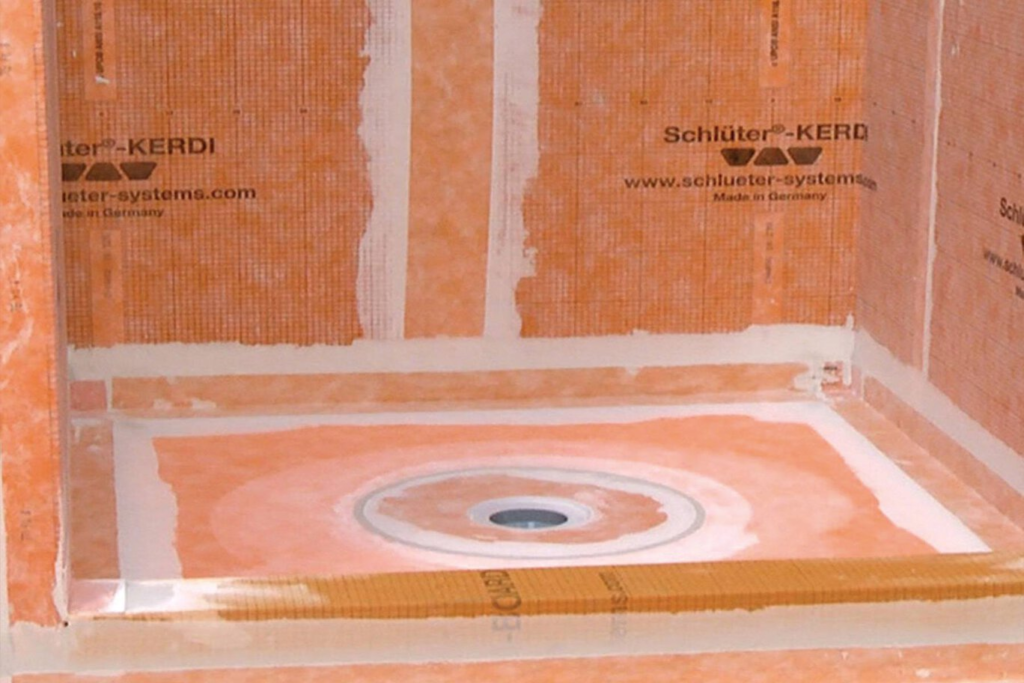
The real waterproofing happens before the tile is installed. Over the backer board, we apply a waterproof membrane — either liquid-applied or sheet-based, depending on the tile system and installation method. This membrane is what protects the wall cavity from moisture, and it is applied carefully at corners, seams, and penetrations before any tile goes up.
This step is the core of the waterproofing system. Tile and grout help create the finished surface, but they are not waterproof. Grout sealer also is not waterproof. The membrane is what provides the primary moisture barrier behind the tile.
The caulking seen at the end of the project — such as at corners, changes of plane, and the base — serves as a finishing detail and a secondary line of defense. It helps protect vulnerable joints, but it is not the main waterproofing strategy.
With plastic panel systems, the waterproofing approach is different because the panel system itself is the water barrier. With a tiled shower, however, the membrane is the key element that keeps moisture where it belongs. Proven effective for centuries!
What's So Special About The Pre-selected Products?
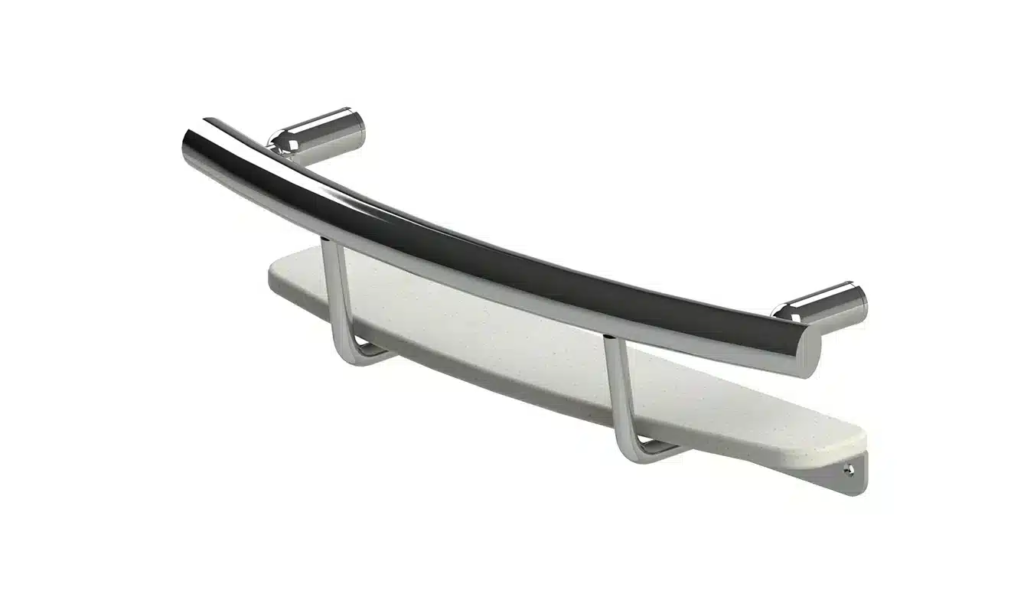
There are many well-made washroom and shower products available today, but there are also plenty of low-quality options that can look impressive while failing to deliver long-term value. To make the selection process easier, we carefully screened the products that we recommend.
That way, our customers can feel confident about quality, appearance, warranty coverage, and durability.
These pre-selected products were chosen because they perform well in real-world use and meet the standards experienced tradespeople look for. They offer a strong balance of reliability, design, and manufacturer support, which helps reduce the risk of choosing a product that looks good at first but disappoints later.
Of course, customers are always free to choose their own shower components. But for those who prefer guidance, our curated selections provide added reassurance that the products have already passed a practical, trade-tested standard. In other words, they’re the kinds of products professionals would feel comfortable installing in their own homes.
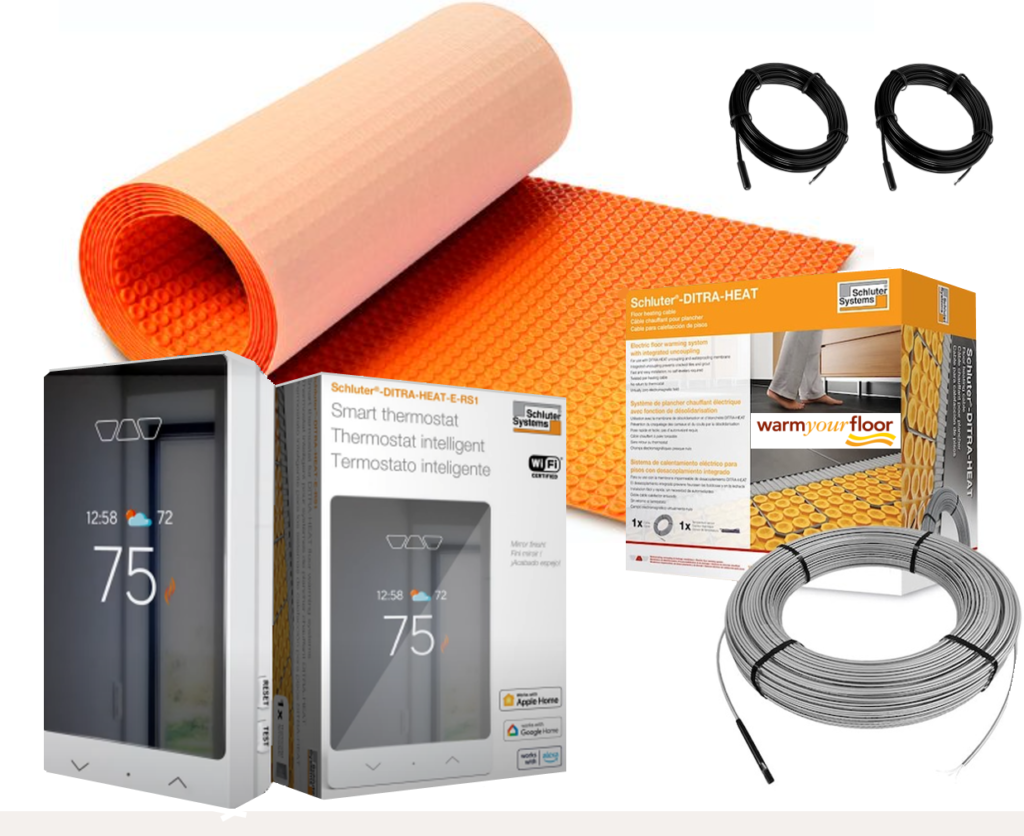
Are Heated Floors Worth The Cost?
Tile floors have become even more reliable thanks to modern tiling membranes and advanced thin‑set formulas, which help keep tiles firmly in place for years. When you add a slim electric heating mat under the tile—paired with a fully programmable thermostat—those reliable floors also become warm and comfortable.
Imagine scheduling the heat to come on about ten minutes before your morning alarm, so your bathroom floor greets you with warmth instead of a chilly first step. Since there are no moving parts under the tile, the system itself is very durable and unlikely to fail over time. If the thermostat ever does stop working, it can simply be replaced, and the heating continues as before.
In many cases, the payoff is not dramatic savings, but a noticeable improvement in comfort. Sometimes, it’s the small upgrades like heated floors that make a daily routine feel a little more cozy and enjoyable.